Heidelberg AI News

Video · IBM Technology ·

Can Your AI Use Sensitive Data Safely? 5 Capabilities You Need

Sensitive data makes AI powerful, but also risky. Jeff Crume explains five essential capabilities for using sensitive data safely across AI systems, agents, tools, and RAG pipelines. Learn how visibility, classification, governance, access controls, and evidence help secure AI-driven workflows.

Watch on YouTube The opening of the article at youtube.com.
More from IBM Technology

All stories

VideoIBM Technology

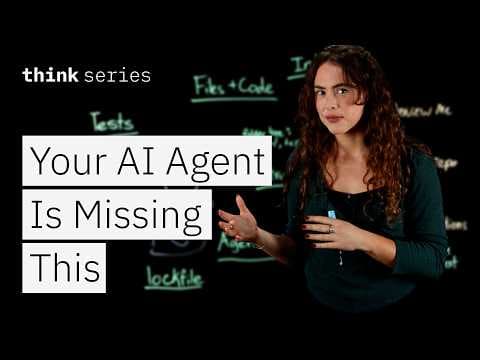
Context-Aware Coding: Give AI Agents the Right Context

The video explains how to give AI coding agents relevant repository context so they can produce code that matches existing architecture, dependencies, tests, conventions, and developer intent. It matters because a single prompt cannot capture a large codebase, while excessive context can dilute the information the agent needs.

VideoIBM Technology

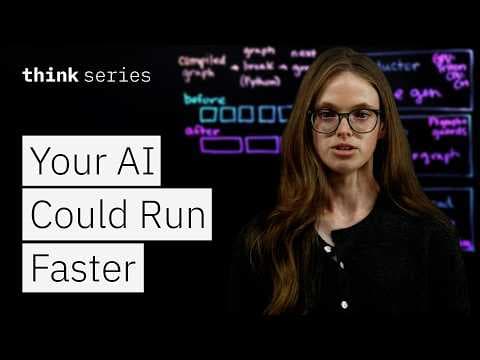
What Is torch.compile? Dynamo, PyTorch & Faster AI Models Explained

The video explains how PyTorch’s torch.compile optimizes models through Dynamo, AOT Autograd, and Inductor, including lazy compilation, graph capture, kernel fusion, and hardware-specific code generation. It also shows why speedups vary and how graph breaks, recompilation, and incorrect benchmarking can limit performance.

VideoIBM Technology

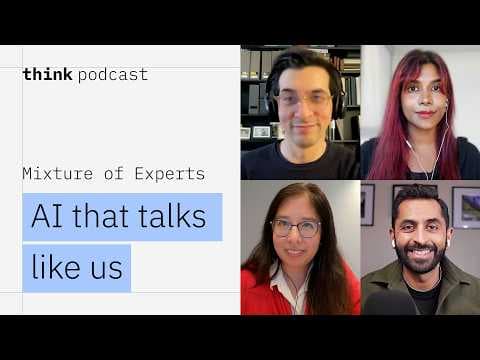
AI exposes a major web security flaw, plus a new kind of voice model

The video examines how AI is exposing weaknesses in web security, conversational model evaluation, cultural understanding, and enterprise data infrastructure. It argues that organizations must modernize legacy systems and rethink benchmarks as AI agents discover flaws faster and create new operational demands.

VideoIBM Technology

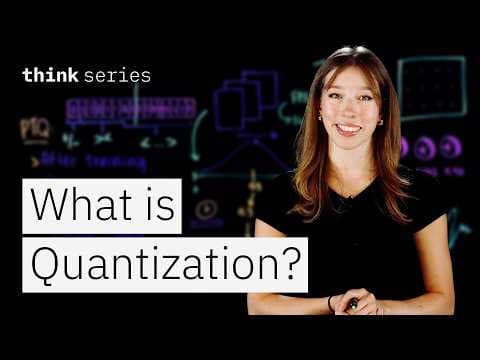
What Is Quantization? How AI Models Get Smaller & Faster

The video explains how quantization compresses LLM parameters into lower-precision formats to reduce memory use and improve inference speed. It shows the tradeoff between smaller models and potential accuracy loss, and compares post-training quantization with quantization-aware training.