Video · Bijan Bowen ·
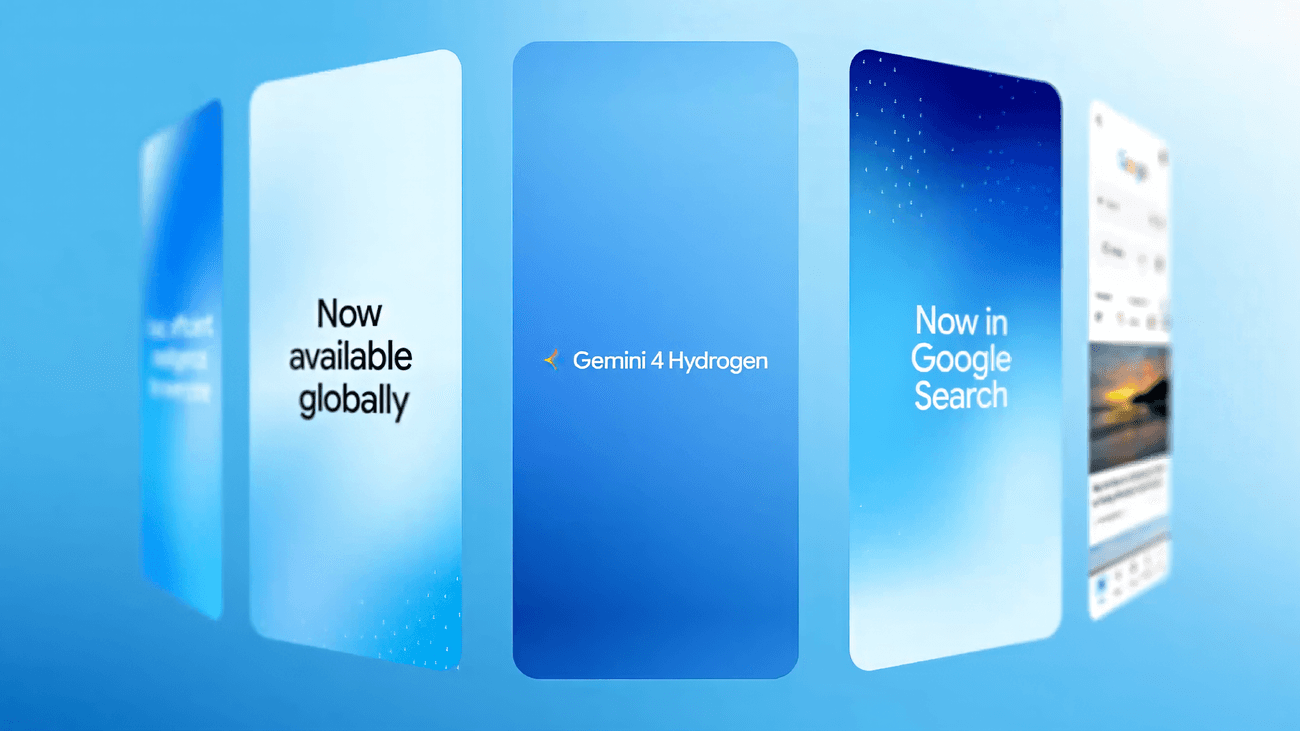
Gemini 4 Hydrogen Is the BEST Flash Model Yet – Full Test!
In short
The video tests Gemini 4 Hydrogen, Google’s new Flash model, across coding, reasoning, game development, robotics, and 3D printing tasks. It performs strongly for its tier, especially in the Subway FPS and Jerry’s apartment 3D-print tests, while using 4% of weekly quota across the test suite.
Key points
- Hydrogen costs $1.50 per million input tokens and $7.50 per million output tokens.
- The browser OS test was acceptable, with a clean UI, functional apps, and checkpoint snapshots.
- The C++ skate game was playable but less polished than the best competing models.
- The robot arm successfully moved a car, but took about one hour at extra-high reasoning.
- The Subway FPS was the most enjoyable test, featuring a rocket launcher and damageable environments.
- The Jerry’s apartment model printed accurately without supports on a consumer 3D printer.
- Agent swarm and extra-high reasoning were used for most tests, consuming 4% of weekly usage.
Written by an AI model from the video’s captions and description.
Watch on YouTube The opening of the article at youtube.com.
In this story
A tool or model opens in the Heidelberg AI Curriculum: what it does, what it costs, how to start. A repo opens on GitHub.